Top Techniques for Torque Wrench Calibration in the Workshop
A torque wrench is an essential tool in any workshop, ensuring that fasteners are tightened to precise specifications. Over time, these tools can lose their accuracy due to regular use, impacts, or mechanical wear. Regular torque wrench calibration is therefore crucial to maintain reliability, prevent equipment damage, and ensure safety. Implementing the right calibration techniques in the workshop can save time, reduce errors, and extend the life of your tools.
Understanding Torque Wrench Calibration
Calibration is the process of adjusting a torque wrench so that it accurately applies the desired torque. This process ensures that each measurement is consistent and reliable. Both mechanical and digital torque wrenches require calibration, although the methods may differ slightly. Regular calibration is particularly important in professional workshops where precision is critical for automotive, industrial, and construction applications.
Top Techniques for Calibration
Using a Certified Torque Tester
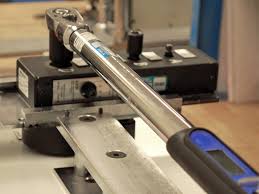
The most accurate method involves a certified torque tester or calibration machine. The wrench is attached to the device, and torque is applied at various points across the wrench’s scale. The readings are compared with the tester’s certified values, and adjustments are made if discrepancies are found.
Incremental Torque Application
Applying torque incrementally helps detect inconsistencies. Start at the lowest setting and gradually increase to the maximum rated torque, checking accuracy at multiple points. This technique ensures the wrench is precise across its entire range, not just at a single setting.
Dial Indicator Method
For mechanical click-type wrenches, the dial indicator method provides visual confirmation of torque output. The wrench is applied to a calibrated lever system, and the torque at which the mechanism clicks is measured. Adjustments can then be made to align the wrench with the desired torque values.
Environmental Considerations
Temperature and humidity can affect wrench accuracy. Performing calibration in a controlled environment reduces the risk of measurement errors. Avoid calibrating in extreme temperatures or near vibration-heavy machinery to maintain consistency.
Regular Verification and Logging
Maintaining a calibration log is a professional best practice. Record the date, method, and results of each calibration session. Frequent verification, especially for high-use tools, ensures ongoing reliability and compliance with safety standards.
Conclusion
Accurate torque application is critical for safety, efficiency, and equipment longevity. By using certified testers, applying torque incrementally, employing dial indicators, and maintaining detailed logs, workshops can ensure their torque wrenches remain precise and dependable. Consistent calibration not only safeguards operations but also enhances productivity and confidence in every task performed.



One Comment
gylxsjwnfz
fuekqzgxxztzhupyqpdgfnkemmeouk