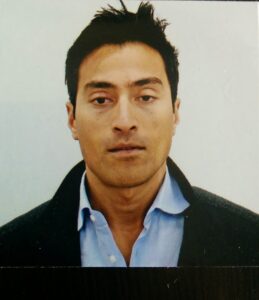
Dr. Andrew Gomes: Non-Vascular Radiology Techniques for Accurate Diagnosis
Non-vascular radiology encompasses imaging techniques that focus on organs, tissues, and bones rather than blood vessels. Dr. Andrew Gomes has emerged as a leading authority in this field, emphasizing the importance of precise imaging for accurate diagnosis. By using advanced modalities such as MRI, CT, and ultrasound, non-vascular radiology allows clinicians to detect subtle abnormalities that could otherwise go unnoticed. This approach not only aids in early diagnosis but also guides effective treatment planning.
Advanced MRI Applications
Magnetic Resonance Imaging (MRI) is one of the primary tools in non-vascular radiology. Dr. Gomes highlights how MRI provides detailed images of soft tissues, making it invaluable for identifying tumors, musculoskeletal injuries, and neurological disorders. Unlike traditional X-rays, MRI does not rely on ionizing radiation, which reduces patient risk while offering high-resolution images. Techniques such as diffusion-weighted imaging (DWI) and functional MRI (fMRI) further enhance diagnostic accuracy by revealing cellular-level changes and brain activity patterns.
CT Scans and Their Diagnostic Role
Computed Tomography (CT) scans remain a cornerstone of non-vascular radiology under Dr. Gomes’s practice. CT imaging provides rapid, cross-sectional views of the body, making it ideal for evaluating trauma, infections, and internal organ pathology. By applying specialized protocols, radiologists can optimize image quality while minimizing radiation exposure. Dr. Andrew Gomes advocates for a tailored approach, adjusting scanning techniques according to the patient’s condition and the diagnostic question at hand, which ensures precise and reliable results.
Ultrasound Techniques in Non-Vascular Imaging
Ultrasound is another critical tool in Dr. Gomes’s repertoire, particularly for soft tissue and abdominal imaging. Its real-time capabilities allow dynamic assessment of organs and tissues, assisting in both diagnosis and procedural guidance. Techniques like elastography, which measures tissue stiffness, enhance the detection of conditions such as liver fibrosis or tumors. Ultrasound’s non-invasive nature, coupled with its lack of radiation exposure, makes it an essential first-line imaging option in many clinical scenarios.
The Future of Non-Vascular Radiology
Dr. Andrew Gomes emphasizes the evolving landscape of non-vascular radiology, highlighting the integration of artificial intelligence and machine learning to improve image interpretation. These technologies can detect subtle patterns that may elude even experienced radiologists, further improving diagnostic confidence. As non-vascular imaging continues to advance, Dr. Gomes’s work underscores the importance of combining technological innovation with clinical expertise to achieve accurate and timely diagnoses.