Are Ionizers a Low‑Maintenance Alternative to Traditional Air Filters?
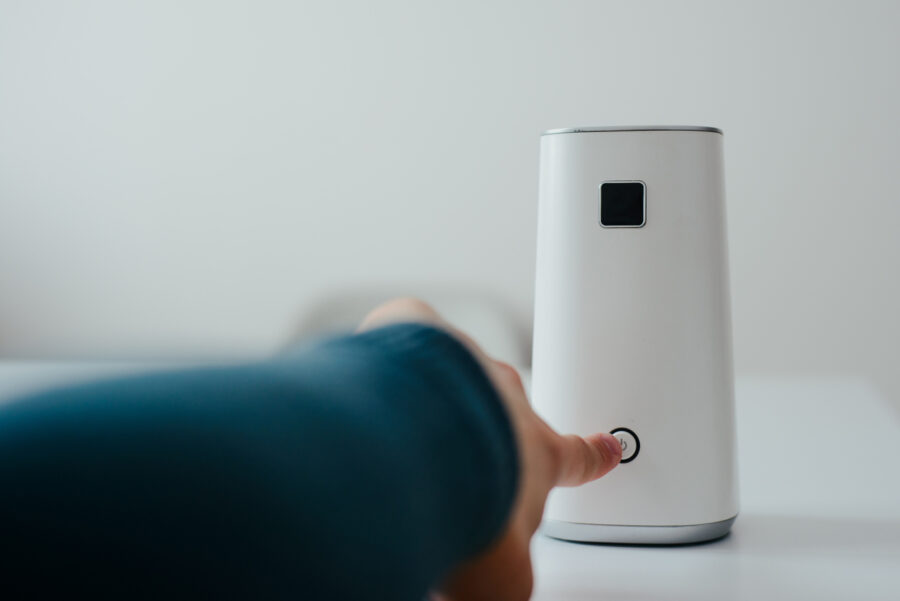
Ionizers are air-purifying devices that release negative ions into the air. These ions attach to airborne particles like dust, pollen, and smoke, causing them to clump together and fall out of the air or stick to nearby surfaces. Unlike traditional HEPA or carbon filters, which physically trap pollutants, ionizers do not require a dense filter medium. This fundamental difference often positions what does an ionizer do as a potentially low-maintenance alternative.
Do ionizers require regular maintenance?
Maintenance for ionizers is typically limited compared to traditional filters. Most models only need occasional cleaning of collection plates or surfaces where particles accumulate. In contrast, conventional air filters require regular replacement or vacuuming to maintain efficiency, often every three to six months depending on usage. Studies suggest that households using ionizers may spend 60-80% less on maintenance than those relying solely on HEPA-based filtration systems.
How effective are ionizers at removing indoor pollutants?
Ionizers are particularly effective at reducing fine particulate matter, such as dust, smoke, and pet dander. However, their efficiency varies with particle type and room conditions. Research indicates that while ionizers can reduce particulate concentrations by 20-80%, they are less effective against gaseous pollutants, odors, and volatile organic compounds (VOCs). Traditional air filters often outperform ionizers in these areas because they physically capture both particles and chemical contaminants.
Are there any hidden costs with ionizers?
Although ionizers require less frequent maintenance, they do consume electricity to generate ions. Depending on the model and usage, electricity costs can add up over time. Additionally, certain ionizers produce small amounts of ozone as a byproduct, which can irritate sensitive individuals if not properly controlled. While these costs are generally lower than the recurring expense of replacing traditional filters, they are important considerations for long-term use.
Can ionizers replace traditional air filters entirely?
Ionizers can complement or partially replace traditional filters in low-pollution environments or for individuals seeking minimal maintenance. For households with high allergen exposure or concerns about VOCs and odors, combining ionizers with HEPA or activated carbon filters is often recommended. Statistics show that hybrid approaches can reduce airborne particles by more than 90%, outperforming either technology alone.
Conclusion
Ionizers offer a low-maintenance, cost-efficient way to improve indoor air quality, particularly for particulate removal. While they are not a complete substitute for traditional air filters in every scenario, they can significantly reduce cleaning and replacement demands, making them an appealing option for busy households or office environments. Using ionizers in combination with conventional filters maximizes air purification while maintaining minimal upkeep.